How to Choose Perfume for Sensitive Skin: A Guide for Fragrance Lovers
Perfume is a powerful extension of your personality—but for people with sensitive skin, choosing the right fragrance can be a challenge. Redness, irritation, itching, or allergic reactions can quickly turn a luxurious experience into discomfort.
If you’ve ever wondered “Which perfume is safe for sensitive skin?”, this comprehensive guide will help you make informed, skin-friendly choices without compromising on elegance or longevity.
💡 Why Sensitive Skin Reacts to Perfume
Perfumes are made using a blend of:
- Essential oils
- Aroma compounds
- Alcohol (ethanol)
- Preservatives
For sensitive skin, certain ingredients—especially alcohol and synthetic chemicals—can trigger reactions.
🚫 Common Symptoms:
- Redness
- Burning sensation
- Itching
- Rashes
👉 That’s why choosing the best perfume for sensitive skin is crucial.
🔍 What Causes Skin Sensitivity to Fragrances?
Understanding triggers can help you avoid them effectively.
⚠️ Key Irritants in Perfumes:
- High alcohol content
- Synthetic fragrances
- Artificial dyes
- Preservatives like parabens
🌱 Skin Types at Risk:
- Dry skin
- Eczema-prone skin
- Allergy-prone individuals
👉 People with conditions like eczema or dermatitis should be extra cautious.
🌸 Types of Perfumes Safe for Sensitive Skin
Not all perfumes are harmful. Here are safer options:
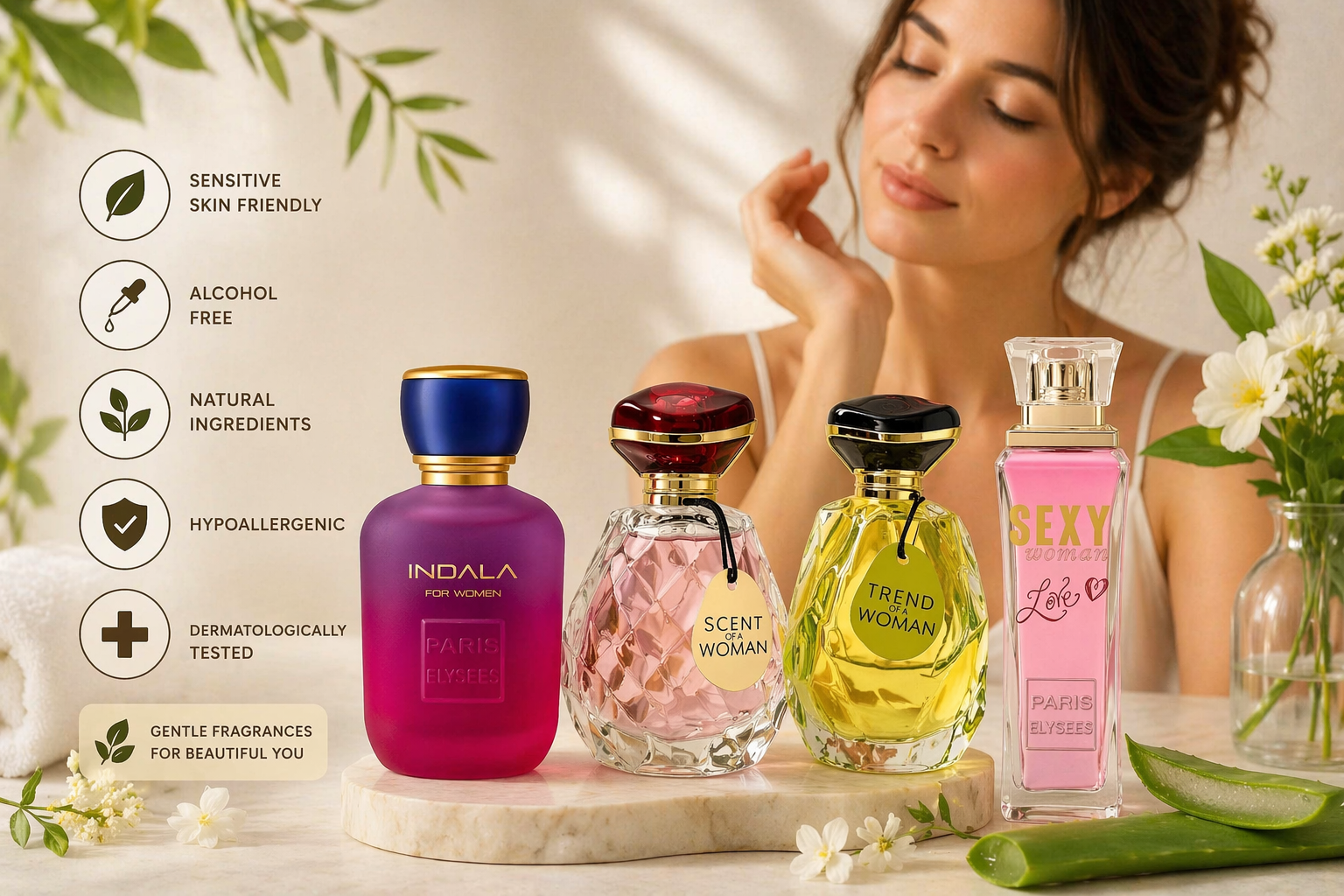
🌿 1. Alcohol-Free Perfumes
These are the best perfumes for sensitive skin.
✔️ Benefits:
- Gentle on skin
- Less irritation
- Hydrating formulas
👉 Look for labels like “alcohol-free perfume” or “skin-friendly fragrance”
🌼 2. Natural & Organic Perfumes
Made with plant-based ingredients and essential oils.
✔️ Benefits:
- No harsh chemicals
- Eco-friendly
- Mild scent profile
👉 Perfect for those searching for organic perfumes for sensitive skin
💧 3. Oil-Based Perfumes
Perfume oils are highly recommended.
✔️ Benefits:
- Long-lasting
- Alcohol-free
- Less likely to irritate
👉 A great alternative to traditional sprays
🌿 4. Hypoallergenic Perfumes
Specifically designed for sensitive users.
✔️ Benefits:
- Dermatologically tested
- Reduced allergens
- Safe for daily use
🧴 How to Choose the Right Perfume for Sensitive Skin
Here’s a step-by-step guide to selecting the perfect fragrance:
✅ 1. Check the Ingredients
Always read the label.
👉 Avoid:
- Alcohol denat
- Synthetic dyes
- Phthalates
👉 Choose:
- Essential oils
- Natural extracts
- Skin-safe bases
✅ 2. Do a Patch Test
Before applying fully:
- Spray on your wrist
- Wait 24 hours
- Check for reaction
👉 This is the golden rule for sensitive skin users
✅ 3. Choose Light Fragrance Families
Heavy perfumes can irritate more.
👉 Best options:
- Fresh
- Floral
- Citrus
👉 Avoid:
- Strong oriental
- Spicy fragrances
✅ 4. Apply on Clothes Instead of Skin
A smart hack:
- Spray on clothes
- Avoid direct skin contact
👉 Reduces chances of irritation
✅ 5. Moisturize Before Applying Perfume
Dry skin reacts more.
👉 Apply:
- Unscented moisturizer
- Then perfume
🌍 Best Fragrance Notes for Sensitive Skin
Some fragrance notes are naturally gentler:
🌸 Safe Notes:
- Rose
- Chamomile
- Lavender
- Aloe vera
- Vanilla (in mild concentrations)
⚠️ Notes to Avoid:
- Strong spices
- Heavy musk
- Synthetic oud
🧠 Pro Tips for Fragrance Lovers with Sensitive Skin
✔️ Use less quantity
✔️ Avoid layering multiple perfumes
✔️ Store perfumes in cool places
✔️ Prefer roll-ons over sprays
✔️ Choose dermatologically tested brands
🚫 Common Mistakes to Avoid
Avoid these mistakes:
❌ Applying perfume on broken skin
❌ Using expired perfumes
❌ Ignoring ingredient labels
❌ Choosing strong fragrances blindly
❌ Over-applying perfume
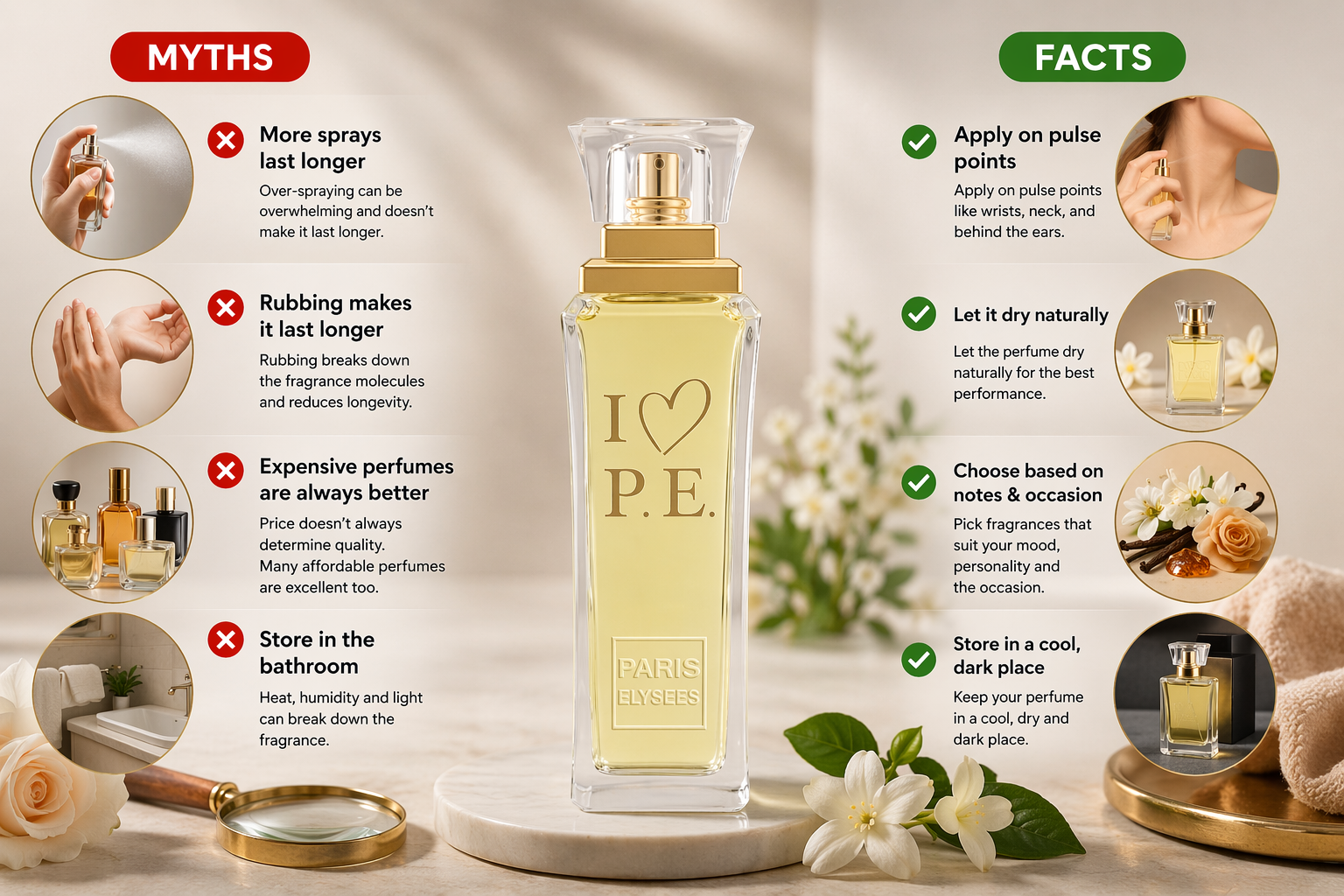
💎 Why Choose Quality Brands Like Paris Elysees?
When it comes to balancing luxury and skin safety, trusted brands matter.
🌟 Benefits:
- High-quality ingredients
- Balanced formulations
- Wide range of fragrance families
- Suitable options for different skin types
👉 Choosing a reputable brand reduces the risk of irritation.
❓ Frequently Asked Questions (FAQs)
1. What type of perfume is best for sensitive skin?
Alcohol-free, oil-based, and hypoallergenic perfumes are best.
2. Can perfume cause skin allergies?
Yes, certain ingredients can trigger reactions, especially in sensitive skin.
3. Is it safe to apply perfume on clothes?
Yes, it reduces direct skin contact and prevents irritation.
4. How do I test if a perfume suits my skin?
Perform a patch test and wait 24 hours for any reaction.
5. Are natural perfumes completely safe?
They are safer but can still cause reactions in rare cases—always test first.
🚀 Final Thoughts
Having sensitive skin doesn’t mean you have to give up on fragrances. With the right knowledge and careful selection, you can enjoy perfumes without discomfort.
👉 Focus on gentle ingredients, lighter fragrance families, and trusted brands to find your perfect match.
🌟 Ready to experience fragrance without irritation?
👉 Discover skin-friendly and premium perfumes from Paris Elysees
👉 Choose safe, long-lasting scents crafted for comfort and elegance
👉 Upgrade your fragrance collection with confidence
💼 Shop now and embrace luxury without compromise!